
Root Canal Treatment in Oakland, CA
A root canal has a worse reputation than it deserves. Done properly with modern anaesthetic and instruments, it relieves severe toothache rather than causing it, and it lets you keep a tooth that would otherwise have to be taken out.
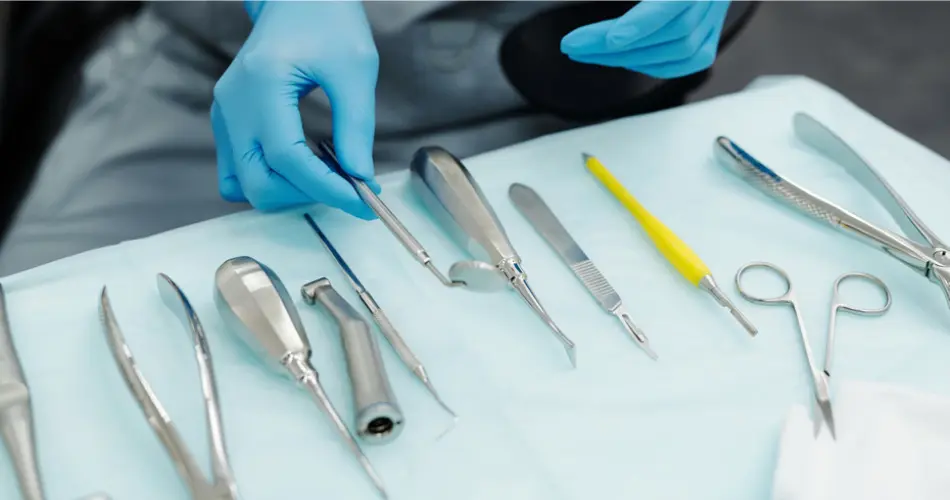
Treating Infection Instead of Removing the Tooth
Inside every tooth is a soft core of nerve and blood vessels called the pulp. When deep decay, a crack or a heavy knock lets bacteria reach it, the pulp becomes inflamed and then infected. That is what produces throbbing pain, sensitivity to heat, and eventually swelling or an abscess.
Root canal treatment removes the infected pulp, disinfects and shapes the canals inside the root, and seals them. The tooth stays in place and continues to function. In most cases a crown is then fitted, because a tooth that needed a root canal is usually weakened and benefits from full coverage.
- Front teeth, premolars and molars all treated in-house
- Digital X-rays to see the root anatomy clearly
- Local anaesthetic so the procedure itself is not painful
- Emergency appointments for severe pain and swelling
- Crown fitted afterwards to protect the tooth long-term
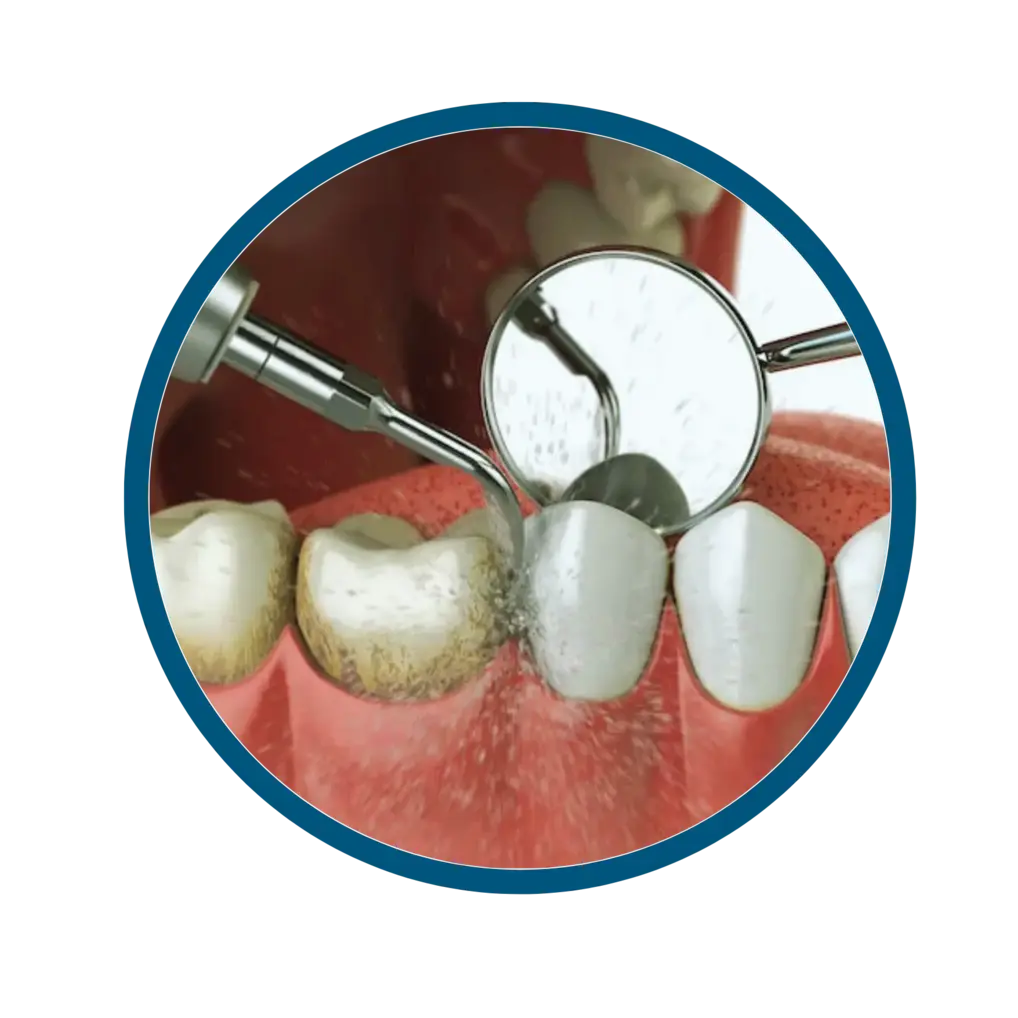
Why Saving the Tooth Is Usually Better
Nothing Beats Your Own Tooth
Even the best implant or bridge is a replacement. Keeping the natural root preserves your bone and your bite exactly as they are.
Stops the Pain Quickly
Once the infected pulp is removed the throbbing settles. Most patients say the relief is noticeable within a day.
Avoids a Bigger Bill Later
An extraction leads to a gap that usually needs a bridge or an implant. Treating and crowning the existing tooth is often the less expensive path overall.
What Happens During Treatment
Diagnosis
We test the tooth and take an X-ray to confirm the pulp is involved and to see how many canals the root has.
Numbing & Access
The area is fully numbed, a protective sheet isolates the tooth, and a small opening is made through the top of it.
Cleaning the Canals
The infected tissue is removed, the canals are disinfected and shaped, then filled with a sealing material so bacteria cannot return.
Crown or Filling
The access hole is sealed. For back teeth we normally recommend a crown to stop the weakened tooth from splitting later.
Signs You May Need a Root Canal
Pain is the usual signal, but not always. Some teeth die quietly and only show up on an X-ray, which is one of the reasons routine check-ups matter even when nothing hurts.
If you have swelling in the face or gum, or pain that keeps you awake, please call us the same day rather than waiting. An untreated dental abscess can spread, and that is a genuine medical concern, not a scare tactic.
- Lingering pain after hot or cold drinks
- Throbbing ache that is worse lying down
- Pain when biting on one particular tooth
- A tooth that has darkened compared with its neighbours
- A pimple-like swelling on the gum
- Facial swelling, which needs same-day attention
Root Canal Questions
Is a root canal painful?
How many visits does it take?
Do I really need a crown afterwards?
Could I just have the tooth pulled instead?
How long will the tooth last?
You May Also Be Looking For
In Pain? Call Us Today
We keep time aside every day for urgent problems, and we are open seven days a week. Call or text (510) 534-0706 as early in the day as you can.